What is the best gym flooring?
Many of our customers spend hours, days, or even years carefully selecting and curating the perfect equipment for their home gyms. However, we find that almost as many people tend to neglect the importance of their gym flooring. The right gym flooring can make a significant difference in the safety, functionality, and appearance of your home or commercial gym. In this article, we will discuss some key considerations you should consider when choosing home gym flooring. For the budget-conscious buyer, we find the story is often the same, “The garage concrete is fine, we don’t really need to fork out for gym mats.” Followed by surprise when their equipment gets scratched or damaged. Or “Let’s just get the cheapest flooring possible, it can’t make that much of a difference!” Followed by constant annoyance when the cheap foam mats move constantly underfoot, feel unstable during squats or are left with permanent dents. We have definitely made the above mistakes with our first home gyms!
Key Factors to Consider:
- Durability: Gym flooring needs to be able to withstand heavy equipment and constant use without wearing out or becoming damaged. Choosing a durable flooring material is essential to prevent frequent replacement costs.
- Shock/sound resistant: You want flooring that will absorb sound and vibrations. This makes your workout space more comfortable for you and less disruptive for others in your home. It can also help protect your equipment and underlying floor from damage
- Safety: A slip-resistant surface is important in a gym setting to prevent accidents and injuries. Look for materials that provide adequate grip, even when wet, and absorb shock to reduce the risk of joint injuries.
- Maintenance: Cleaning and maintenance should be considered when choosing gym flooring. Some materials require more upkeep than others, so you will want to choose a flooring material that is easy to clean and maintain.
- Aesthetics: This comes down to personal preference, but the look and feel of the gym flooring can affect the overall atmosphere of the gym. You’d be surprised how much you prefer to train in a gym that looks good!
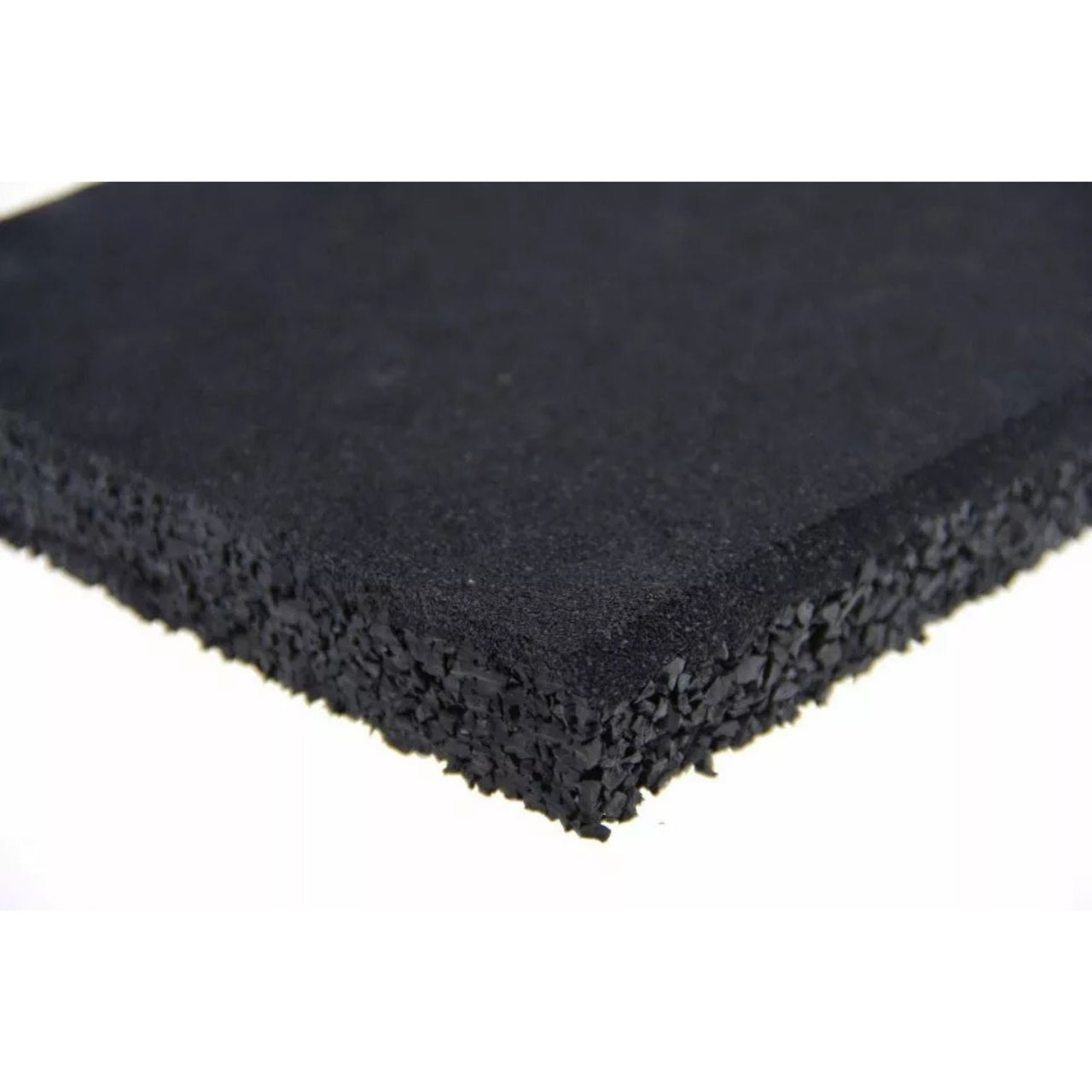
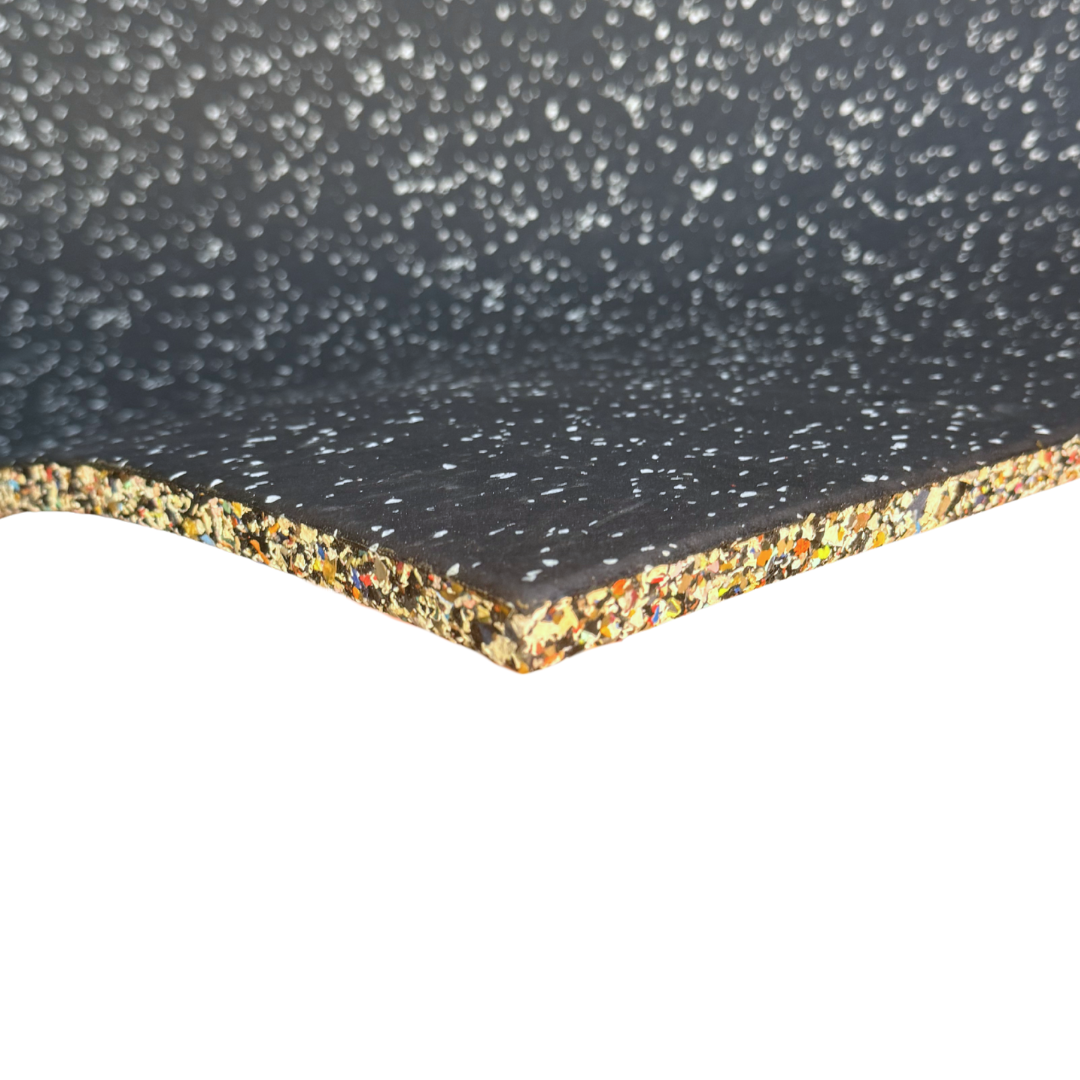
- Underside channels: Reduce full surface contact with the floor, which can create hollow spots, minor movement, or instability under heavy racks and barbell lifts. VULCAN Fitness flooring is manufactured with a dense, flat back design to maximise ground contact and provide a more stable, planted surface for serious strength training setups.
- Installation Type: Affects both how secure your flooring feels and how easy it is to set up or modify your space in the future. Interlocking tiles are simple to install and relocate, while larger rolled sheets create fewer seams and a more seamless, permanent finish.
Which Gym Flooring is Right for You?
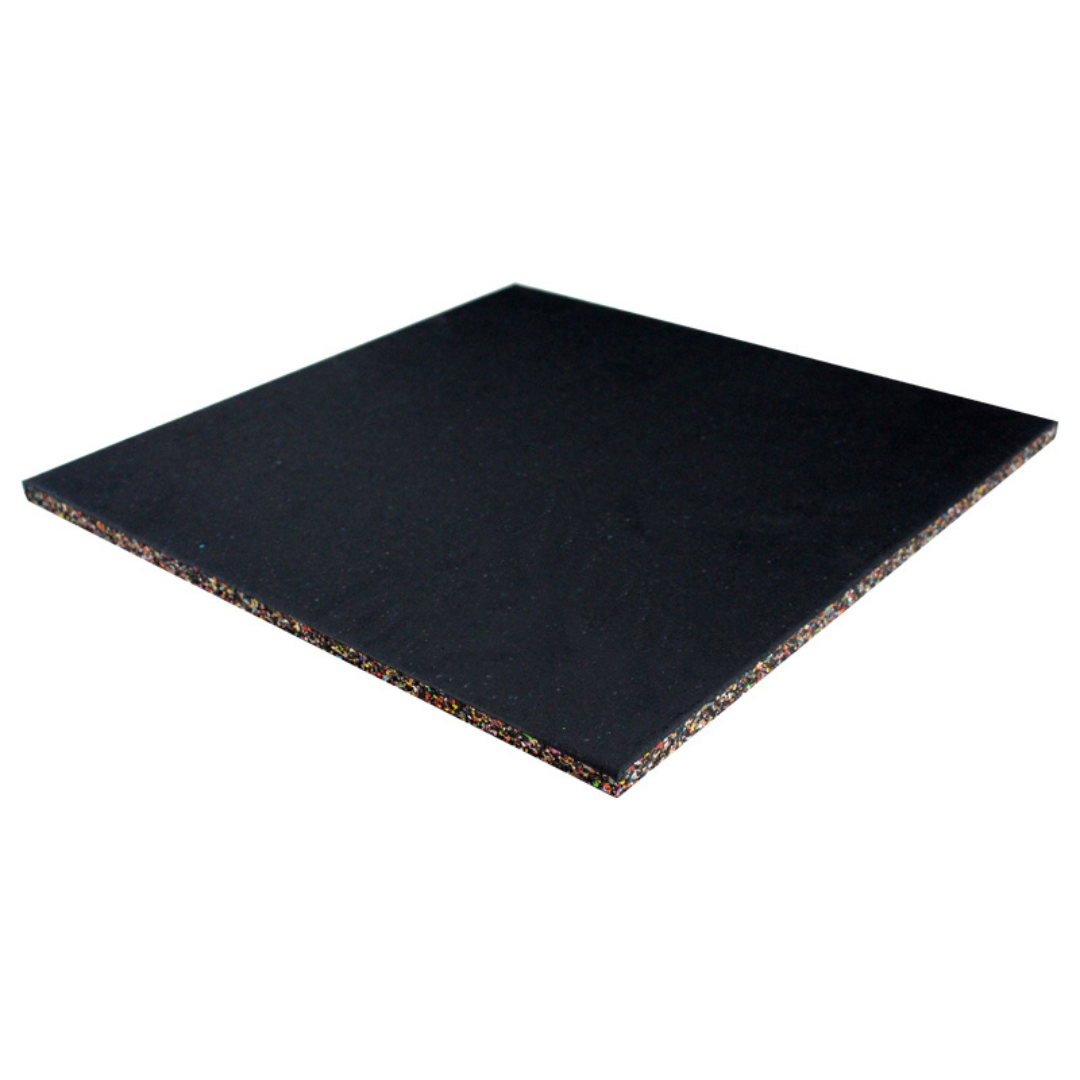
The best flooring that meets the above criteria is rubber gym mats. While this might seem the obvious answer, rubber gym mats come in a range of different thicknesses, colours, and material variations. Here are some of our FAQ's and tips below:
How thick should rubber gym flooring be?
Many years ago when I started my first home gym, like any good Australian, I headed down to Bunnings and grabbed some Bunnings gym flooring. These mats were 10mm thick, and while they did an ok job, it wasn’t until I changed to 15mm mats that I really noticed how much difference that extra 5mm made. The extra weight of the 15mm or 20mm rubber gym flooring prevents the mats from sliding around under foot, and provides a lot more shock absorption. If you want to ensure that there is no movement at all in your gym flooring, check out our installation guide here.
Choosing the right thickness depends on how you train and the environment. 15mm rubber flooring is ideal for general strength training, racks, dumbbells and functional fitness in home gyms, offering solid durability with a firmer, more stable feel. 20mm rubber flooring provides greater impact absorption and protection for Olympic lifting or heavier commercial use, reducing vibration and floor stress. In terms of material, Commercial rubber is dense, highly durable and cost-effective, making it perfect for heavy-duty strength setups. EPDM flooring offers improved colour retention and weather resistance, making it better suited to exposed or high-moisture environments.
Are rubber floor mats easy to clean?
Rubber gym mats are relatively easy to clean. Use a broom or a vacuum to sweep away loose dust or debris. You can also give them a mop, however we recommend using a PH neutral cleaning agent if possible. We also recommend not soaking your mats - wring out most of the water so the mop is only damp prior to cleaning.
If you have a higher budget, consider investing in EPDM flooring. EPDM, or ethylene propylene diene monomer, is a synthetic rubber material that is easier to clean and even more durable than your traditional rubber mats. Check out our EPDM mats here – they consist of a traditional rubber base with an EPDM top layer to keep the price lower.
What are the colour options for gym floorings?
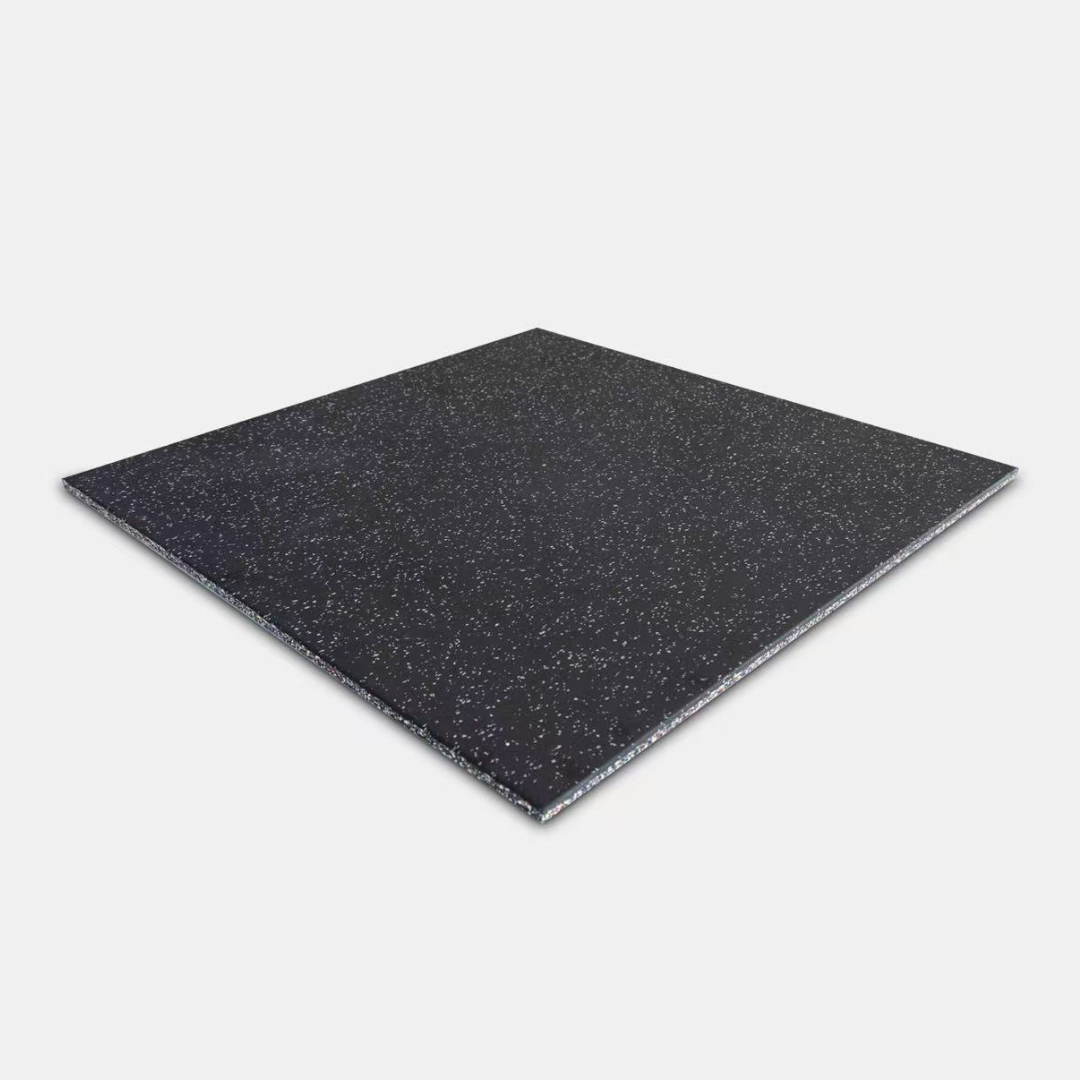
At VULCAN, we offer our mats either as straight black, or black with a grey EPDM fleck throughout to offer a different aesthetic! The EPDM flecks can help disguise dirt, however it all comes down to personal preference!
What are the disadvantages of rubber gym flooring?
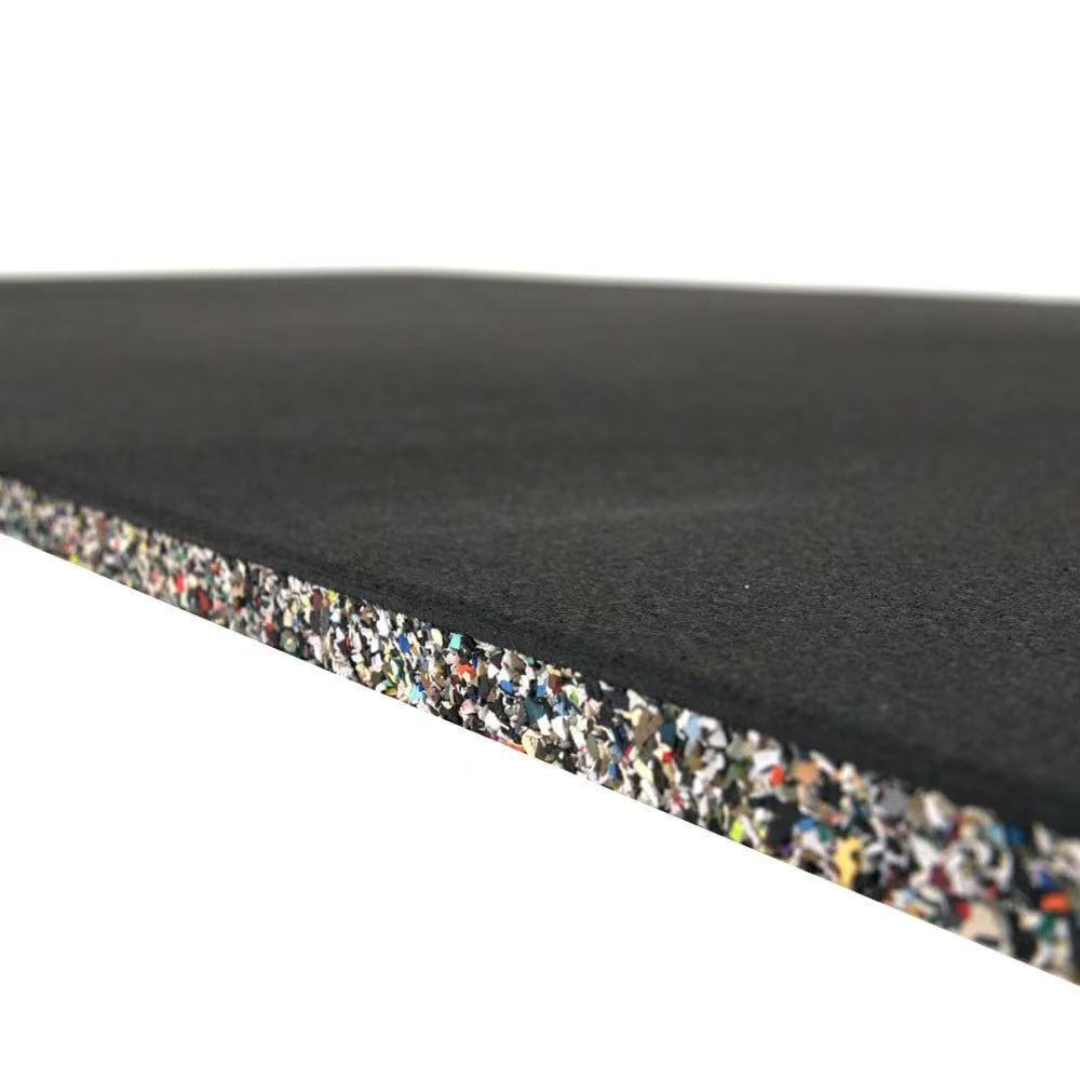
One common disadvantage of rubber gym flooring is the noticeable rubber smell, particularly in enclosed garage or indoor spaces. VULCAN gym mats are manufactured using recycled rubber shoes, which significantly reduces the strong odor often associated with traditional rubber flooring while maintaining durability and performance.
How to prevent your gym mats from shifting
Keeping your mats secure, especially with Commercial Interlocking EPDM Rubber Gym Flooring, is essential for safety and performance, as shifting mats can create trip hazards and unstable lifting surfaces under heavy loads. Properly interlocked, well-installed gym flooring ensures consistent footing, improved force transfer, and long-term protection for both your equipment and subfloor.
Why edging & corners matter
Finishing your gym flooring with proper edging and corner pieces creates a clean, professional look while eliminating exposed edges that can become trip hazards or lift over time. Edging also helps secure the perimeter, improves durability at high-traffic entry points, and gives your gym a polished, intentional finish rather than a pieced-together appearance.
Check out our full range of gym flooring here. We provide all these products to both home and commercial facilities around Australia! If you have any questions on our range of flooring, please contact the team using on-site chat or via email at support@vulcanfitness.com.au.